Quartz stone countertops are uniform throughout, with physical and chemical properties—such as hardness, strength, heat resistance, and stain resistance—that surpass those of other materials. As a new, environmentally friendly building‑decoration material, Zhongxun quartz stone is seeing increasingly broad applications. Although quartz stone is no longer unfamiliar to most people, many still hold misconceptions about its proper use in everyday life.

What are some common misconceptions about quartz stone?
◈ Is quartz stone natural?
Most quartz stone on the market is synthetic, though a small proportion is natural. Because natural quartz is relatively difficult to process, the vast majority of quartz used in construction is synthetic. Synthetic quartz is a new type of decorative material made primarily from quartz sand as the aggregate, with resins, pigments, and other additives serving as binding agents. After mixing, it undergoes vacuum‑assisted vibration molding, curing, and subsequent processing steps.

◈Is quartz stone indestructible?
There are numerous guides and reviews online on how to choose quartz stone, helping consumers better understand its performance:
Quartz countertops are scratch-resistant.
Even kitchen grease can’t seep in.
It’s no problem to place a hot pan directly on the countertop, either.
But at the same time, this has led many people to develop a misconception: they automatically assume that quartz stone is indestructible.

· Common Misconceptions About Quartz Stone Usage ·
Misconception 1: Placing hot items directly or for extended periods on the surface.
Because quartz stone made from natural quartz is completely fire‑resistant and will not ignite upon exposure to high temperatures, it also boasts superior heat resistance that countertops made from engineered stone simply cannot match.
However, hot pots, kettles, or other excessively heated utensils taken directly from the stovetop, oven, or microwave can also cause damage to quartz stone countertops.
For everyday use, it’s best to employ a pot stand with rubber feet, or place a heat‑resistant mat on the countertop.

Misconception #2: Using the countertop as a cutting board.
Quartz stone boasts an exceptionally hard surface and outstanding physicochemical properties.
Quartz stone’s lustrous surface is achieved through more than 30 intricate polishing processes, and the finished product boasts a Mohs hardness of 6 or higher, making it resistant to scratches from knives and scrapers.
Although quartz stone is solid and durable, using the countertop as a cutting board for extended periods can leave scratches on the surface due to crystal buildup. Please use a cutting board when chopping or slicing.
Misconception #3: Stains are not cleaned promptly.
Quartz stone is a homogeneous, dense, non-porous composite material manufactured under vacuum conditions, and its quartz surface exhibits excellent resistance to acids, alkalis, and other corrosive substances commonly encountered in the kitchen.
However, if you fail to clean it promptly after use and assume that water won’t affect the board’s surface, you’re mistaken.
In fact, water contains significant amounts of bleach and mineral deposits; if left on the surface for too long, it can cause discoloration and detract from the countertop’s appearance.
Misconception Four: Direct contact with highly reactive chemicals
Some people assume that quartz stone has high density and is resistant to acids, alkalis, and chemicals, and thus use it indiscriminately.
Quartz stone boasts enduring resistance to damage, but it should still be kept away from harsh chemicals such as paint removers, metal cleaners, and stove‑top cleaners.
Do not come into contact with methylene chloride, acetone (nail polish remover), or strong acid-based cleaners.
If contact with the above-mentioned substances occurs, immediately rinse the quartz stone surface thoroughly with plenty of soapy water.
If nail polish gets on the surface, use an acetone-free cleaner (such as thinner or alcohol), then rinse with water.
Do not allow heavy or sharp objects to strike the surface directly, and do not rinse with cold water followed immediately by scalding hot water.

· Big brand Quartz stone is more trustworthy. ·
Compared with no‑name products, quartz countertops from well‑known brands offer greater assurance. In addition to their higher quality standards, these brands also provide more reliable after‑sales service. For these reasons, opting for a quartz countertop from a reputable brand is certainly worthwhile.
With a Mohs hardness of 6, it not only boasts exceptional hardness and excellent resistance to wear and scratches, but also remains color‑stable and resistant to acids and alkalis. In terms of manufacturing, it undergoes more than 30 surface‑treatment processes and is produced under vacuum conditions, resulting in a dense, non‑porous structure that can withstand high temperatures. Most importantly, it is NSF‑certified, free of heavy metals, and safe for direct contact with food.
Consumers can shop with confidence!


▲ Zhongxun Laboratory boasts a professional technical team and state-of-the-art instrumentation.

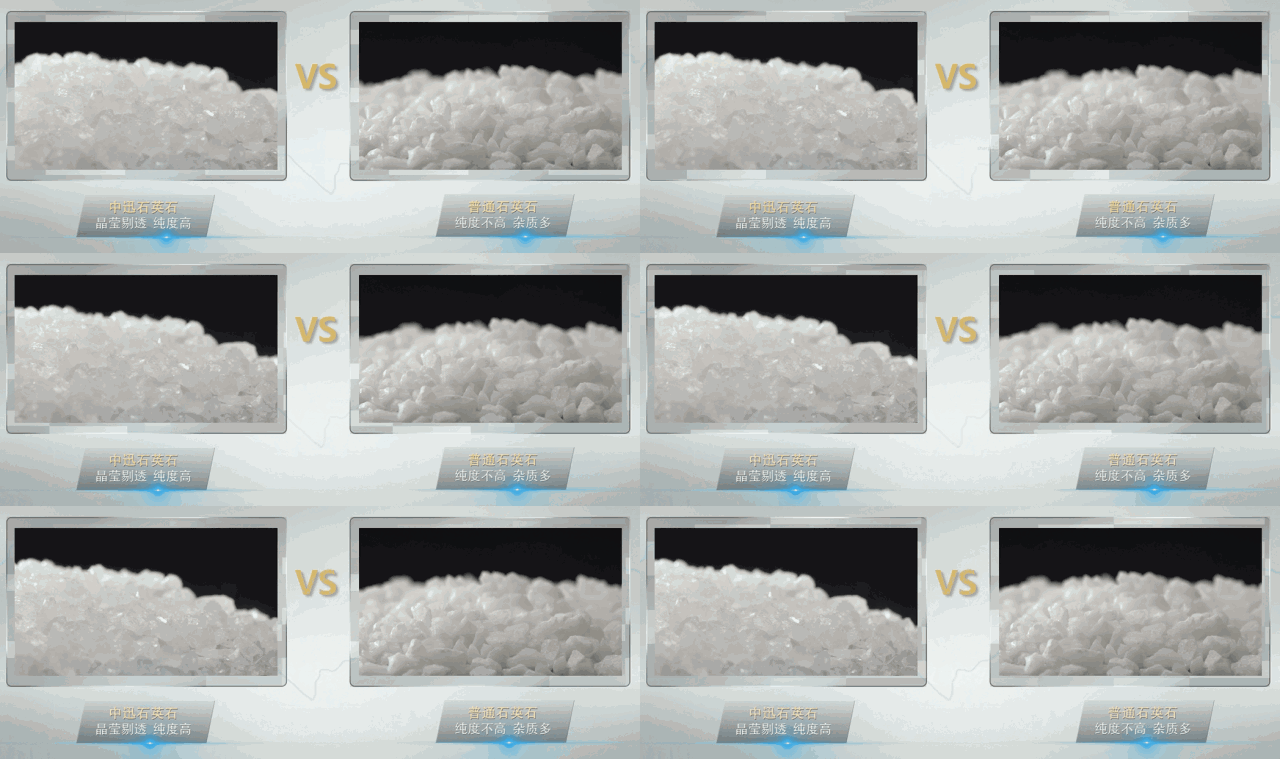
▲ Strict control over raw material quality
▲ Advanced production equipment

▲ Utility Model Patent Certificate

Zhongxun products have obtained various international professional certifications, including NSF, SGS, and CE, and are safe for direct contact with food.

▲Certificate of High-Tech Enterprise Certification
Use quartz stone products correctly and avoid common misconceptions—have you got all these key points down?


